You can be exhausted... and still not able to relax.
It’s something many people are experiencing more often, feeling physically tired, yet mentally alert. Ready for rest, but unable to fully switch off.
For some, it shows up as difficulty falling asleep. For others, it’s waking in the night, a constant sense of tension or the feeling of always being “on”.
What this often points to is not a lack of sleep, but a body that doesn’t feel safe enough to rest.
When Rest Stops Feeling Natural
The body is designed to move between states of activity and recovery.
During the day, the nervous system keeps us alert, focused and responsive. As evening approaches, it should gradually shift into a more relaxed state, allowing the body to rest, repair and restore.
But modern life doesn’t always support that rhythm.
Long periods of stress, high mental load, irregular routines and constant stimulation can keep the body in a heightened state for longer than it’s designed for.
Over time, this can make it harder to downshift, even when you want to.
The "Always On" State
When the body remains in a prolonged state of alertness, it prioritises survival over recovery.
This means:
Sleep can become lighter or more disrupted.
Muscles may stay tense.
The mind continues to race, even in quiet moments.
It’s not that your body isn’t tired, it’s that it hasn’t fully transitioned into a state where deep rest can happen.
Why True Rest Matters
Rest isn’t just about sleep.
It’s during deeper states of recovery that the body carries out many of its most important processes, from cellular repair to hormone regulation and cognitive reset.
When that process is disrupted, it can begin to show up as:
Persistent fatigue
Reduced resilience to stress
Slower recovery from illness or exertion
Feeling mentally and physically depleted
This is often when people begin to look for additional ways to support their system.
Supporting the Body Back into Balance
For many, the focus shifts from simply “trying to sleep better” to supporting the body more holistically, creating the right internal conditions for rest to happen naturally.
At HybO2 House, we often see clients who feel stuck in this cycle. Tired, but unable to properly switch off.
This is where supportive therapies can play a role.
The Role of Oxygen in Recovery and Calm
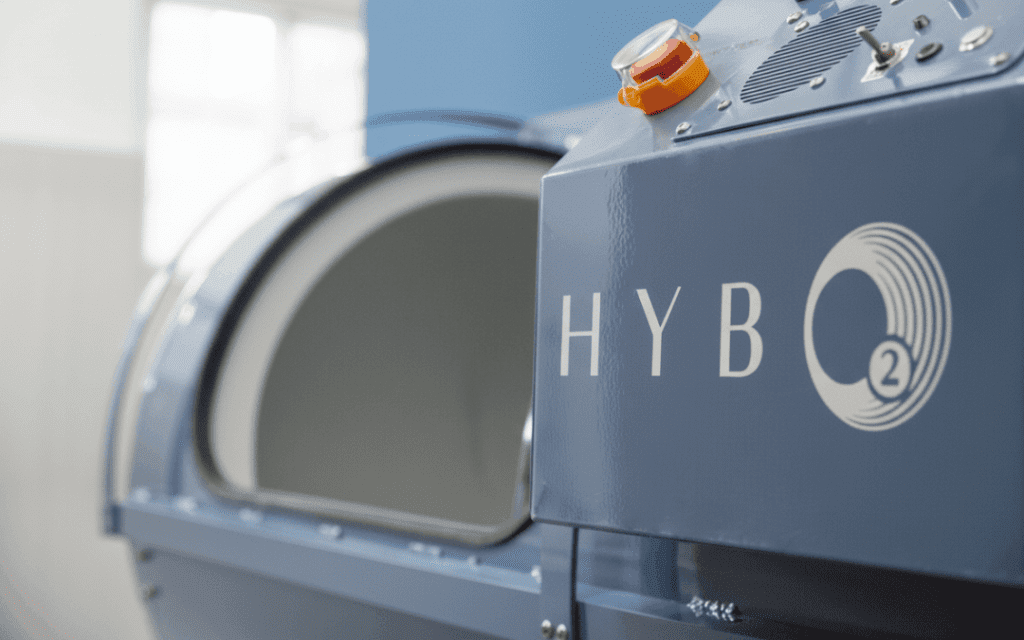
Hyperbaric Oxygen Therapy (HBOT) works by increasing the amount of oxygen available within the body at a cellular level.
By improving oxygen delivery and supporting circulation, HBOT can help create a more balanced internal environment. One that supports recovery processes rather than constant output.
While it’s not a sleep treatment in itself, many clients report feeling a deeper sense of calm and improved ability to relax following sessions.
Supporting the Nervous System at a Cellular Level
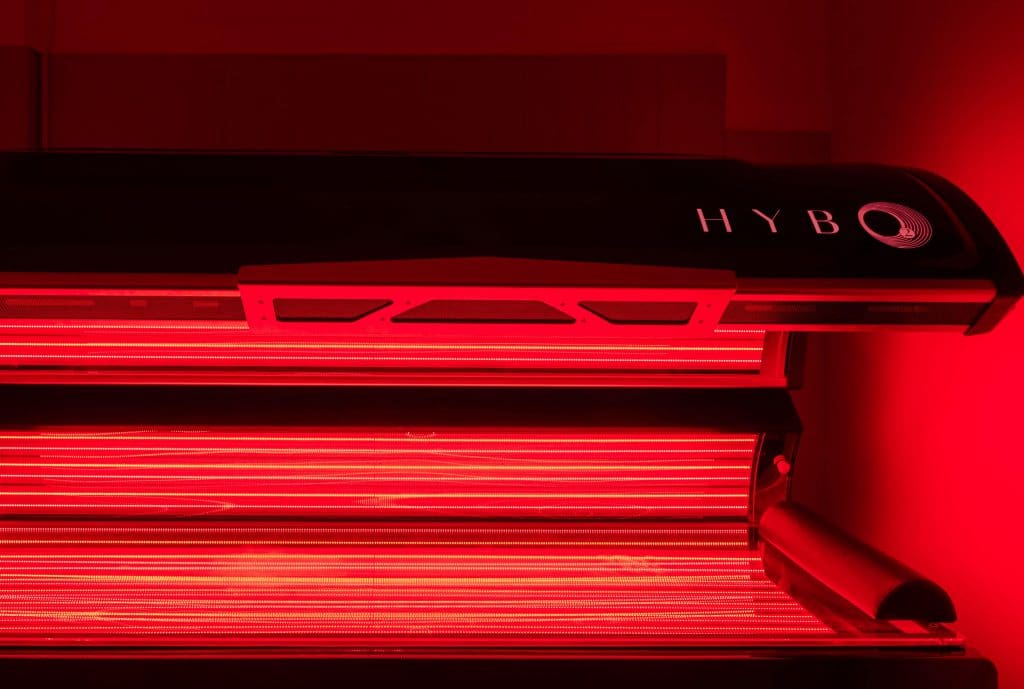
Red light therapy is another approach often used to support the body during periods of stress and fatigue.
Working at a cellular level, it is thought to support energy production within cells, which can be particularly helpful when the body feels depleted or under prolonged demand.
For some, this contributes to a greater sense of balance, helping the body move more easily between activity and rest.
Creating the Conditions for Rest
Sometimes, the most effective approach isn’t forcing rest, but making it easier for the body to access it.
That might look like:
Reducing stimulation later in the day
Supporting recovery more intentionally
Giving the body periods of stillness
Using therapies that help restore internal balance
Small shifts, when done consistently, can have a meaningful impact over time.
When You Start To Feel Like Yourself Again
For many people, the change isn’t dramatic, but it is noticeable.
Falling asleep more easily.
Waking feeling more refreshed.
A quieter mind.
A sense that the body is no longer constantly “on”.
Speak to Our Team
If you’re finding it difficult to switch off, or feel like your body isn’t properly resting, it may be worth looking at how you’re supporting your recovery more broadly.
At HybO2 House in Winchester, our expert team can talk you through supportive options, including hyperbaric oxygen therapy and red light, to help you find an approach that feels right for you.
To find out more, please reach out to the team at HybO2 House who would be happy to answer any questions. Call the clinic in Winchester on 01962 862 111 or use the Enquiry button below.