Recovery after a stroke doesn't follow a straight line.
For some, progress feels steady. For others, it can feel slower, more complex or at times uncertain. What becomes clear quite quickly is that recovery isn’t just about the initial treatment, it’s about what happens in the weeks and months that follow.
Understanding Stroke Recovery
A stroke can affect the body in many different ways, depending on the area of the brain involved.
For some, recovery may involve physical rehabilitation, relearning movement, coordination and strength. For others it may also include cognitive challenges such as memory, focus or processing.
What becomes clear over time is that recovery is not a single phase. It evolves. It requires patience, consistency and the right environment for the body and brain to adapt.
This is where supportive therapies can begin to play a role.
Supporting the Body Beyond Acute Care
Once the initial medical phase has passed, many people look for ways to continue supporting the body’s recovery processes.
This often includes physiotherapy, lifestyle adjustments and increasingly, therapies that focus on creating the right internal conditions for healing.
The aim is not to “fix” the body, but to support it. Gently, consistently and in a way that works alongside existing care.
The Role of Oxygen in Recovery
One area that has received increasing attention is oxygen availability within the body and how effectively it is delivered to tissues that need it most.
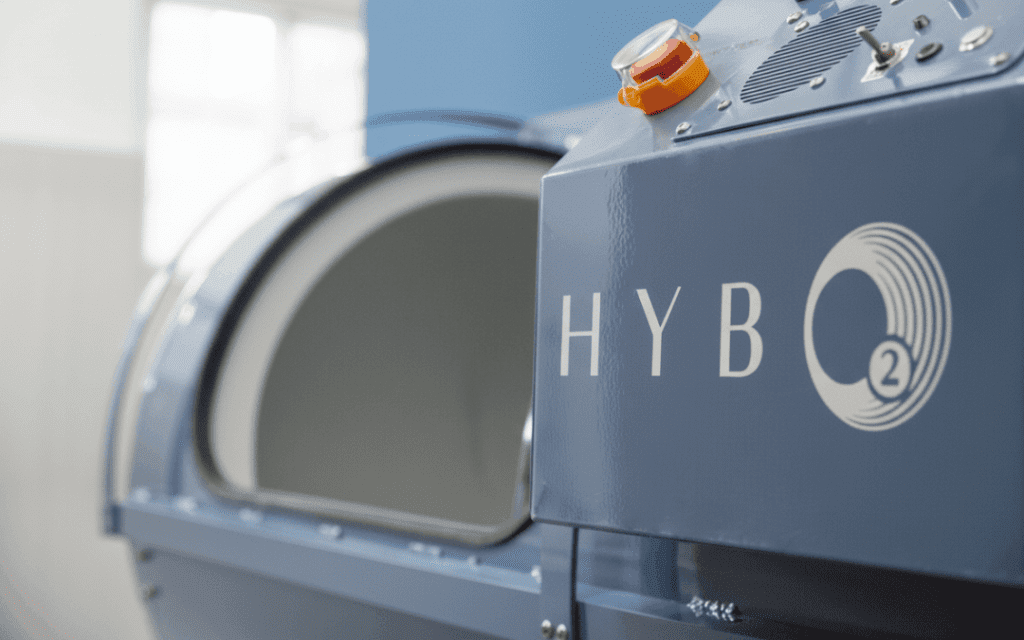
Hyperbaric Oxygen Therapy (HBOT) works by exposing the body to increased atmospheric pressure while breathing concentrated oxygen. Under these conditions, oxygen is able to dissolve more readily into the bloodstream, far beyond what can be achieved under normal circumstances.
This allows oxygen to be carried not just by red blood cells, but also within the plasma itself, meaning it can reach areas where circulation may be reduced or compromised.
In the context of recovery, this becomes particularly relevant.
Following a stroke, certain areas of the brain and surrounding tissue may have experienced reduced oxygen supply. While the body begins its own repair processes, those areas can remain under-supported due to limited blood flow.
By increasing the availability of oxygen at a deeper level, HBOT is thought to help support the body’s natural healing mechanisms. This includes processes such as tissue repair, circulation support and the formation of new microvascular pathways, often referred to as angiogenesis.
There is also growing interest in how oxygen-rich environments may support neuroplasticity, the brains’ ability to adapt, reorganise and form new connections over time.
While responses can vary from person to person, this is why some individuals choose to incorporate HBOT as part of a broader, longer-term approach to recovery.
Rather than forcing change, it works by enhancing the conditions the body relies on to repair and adapt, something that can be particularly valuable when recovery feels slower or more complex than expected.
Supporting Cellular Function and Repair
Alongside oxygen-based therapies, approaches such as red-light therapy are also being explored.
Red light therapy is often used to support cellular activity and energy production. By working at a cellular level, it may help support the body’s natural repair processes in a gentle non-invasive way.
For individuals navigating recovery, this can form part of a wider strategy focused on consistency and support over time.
A More Integrated Approach to Recovery
Recovery after stroke is rarely about one single intervention.
More often, it’s about layering support; combining medical care, rehabilitation and lifestyle changes with therapies that help create a more supportive internal environment.
At HybO2 House in Winchester, we see clients who are looking for exactly this; a way to complement what they are already doing and to feel more supported in the process.
Moving Forward with Support
Every recovery journey is different.
What remains consistent is the importance of feeling supported; physically, mentally and emotionally, as the body adapts and rebuilds.
Gentle, non-invasive therapies offer one way to do that. Not as a replacement for medical care, but as part of a more considered, long-term approach to recovery.
Speak to Our Team
If you, or someone close to you is navigating recovery after a stroke and would like to explore supportive therapies, our team is here to help.
At HybO2 House, we take a calm, individualised approach, helping you understand what options may be appropriate and how they can sit alongside the existing care.
To find out more, please reach out to the team at HybO2 House who would be happy to answer any questions. Call the clinic in Winchester on 01962 862 111 or use the Enquiry button below.